
NASA: Michoud Assembly Facility Tornado Repair

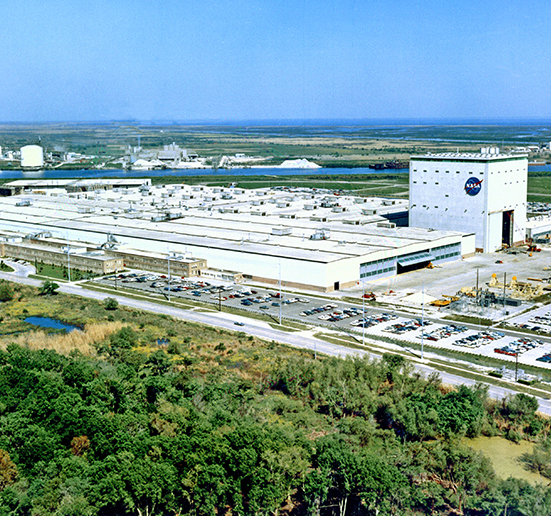
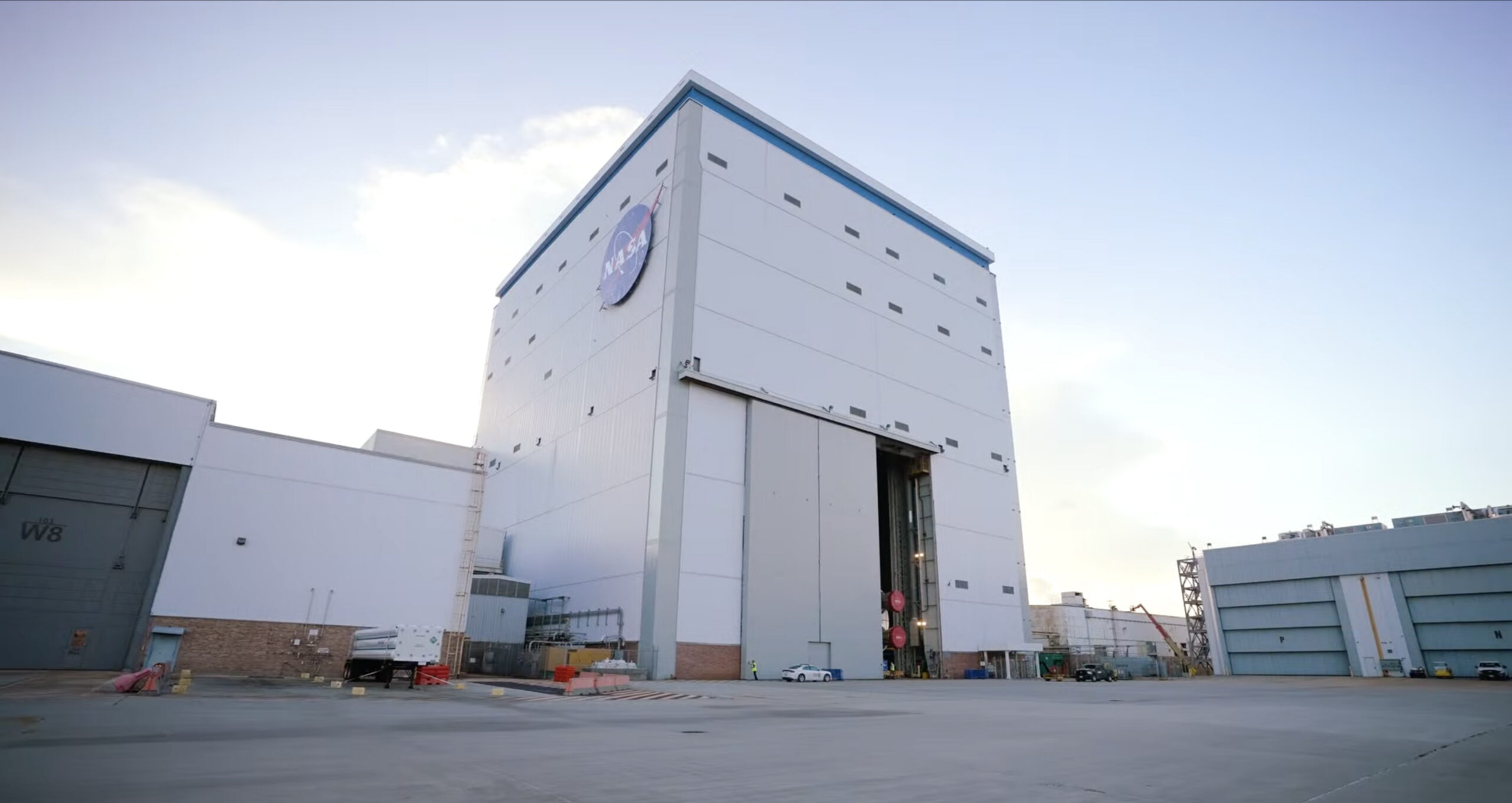
GSE was contracted to assist in repairing and renovating multiple buildings damaged by a tornado in mid-2017. The buildings ranged from mission-critical to office spaces and storage PEMBs.

In Building 102, the roof replacement was part of the S3 contract to maintain and replace MAF utilities and infrastructure that was deemed necessary. The roofing system was aged and damaged, so GSE was contracted to provide a design for its replacement. Included in this design was an investigation into the extent of damage caused by years of water intrusion and termite infestation. GSE’s scope was to provide the design, drawings, and specifications and cost estimation for the removal and replacement of the current roof membrane and provide repair of the structural elements as required. There were also multiple penetrations and pieces of equipment that were noted as unnecessary and marked for removal to ensure minimal impact on the new membrane.

In Building 110, mission-critical 3D welding machines that assemble rocket engine tank sections required a new TPO roofing system and a complete siding replacement. GSE performed inspections of the existing structural systems, reviewed against the as-built documents, and developed the securing system to ensure the new siding panels connected cleanly to the structure. The building has tight Foreign Object & Debris (FOD) guidelines that had to be maintained. GSE also worked closely with the Historic Committee as Building 110 is a historic building and its overall appearance had to be maintained.

In Building 114, an aging control room that oversees the application of foam insulation to the rocket shells was damaged along with the entire roof. GSE provided a new TPO roofing system, renovation, repairs to the control room that brought it up to current standards, and a new exhaust system for the open facility.

In Building 131, one cell of a three-cell building was renovated from a painting booth to a new storage area with a new HVAC system that used HVLS fans and heat pumps instead of the dated and inefficient equipment. The roofing system was repaired, and a new maintenance hatch was provided for the replacement of existing dehumidifiers in another cell.

In Building 159, the chemical storage area’s metal building was damaged, and it was determined to be cheaper to provide a new PEMB design rather than abate the lead-painted structure. GSE provided a new PEMB design with a security gate and additional storm drainage.

Building 350 is a 533,000-square-foot, two-story structure that provides office space to multiple personnel from different federal agencies. Due to the tornado damage and the presence of asbestos-containing materials (ACM), the Owner decided to demolish the building. GSE provided plans and specifications that detailed the facility’s demolition, including the handling of the asbestos.

In Building 420, provided design for removing the damaged rocket sled track and the associated control shed. The area was turned into parking for the adjacent building leased to General Electric.
NASA: Stennis Space Center Building 9322

Building 9322 – HVAC and Compressed Air System Upgrades

In 2015, GSE was contracted to provide a total HVAC replacement and upgrade for the 60,000 sq. ft. Naval Oceanographic Office. The existing HVAC system was of an aged design and well oversized for the use of the building. GSE performed load calculations on the building to ensure the proper tonnage was specified in the new system to reduce energy consumption. As a result, newer high-efficiency equipment was specified (air handlers, chiller, boiler, and VAV boxes), and a redundant system was provided to ensure the building could operate should the primary heating or cooling source go down. GSE coordinated closely with the US Navy representative and multiple site visits to collect and address all concerns and requests.

Shortly after completing the HVAC upgrade for Building 9322, the client engaged GSE to analyze their current compressed air system and provide a new design. Building 9322’s open warehouse areas utilized compressed air for sensitive mission work. The workers raised concerns regarding the quality and capacity of air they received from the existing system. GSE walked through the entire system, collected the concerns, and reviewed what each station did with the compressed air. Using this data, GSE provided a new system (oil-less compressors, filters, dryers, and non-metallic quick-connect piping) to deliver instrument-quality air to each drop.

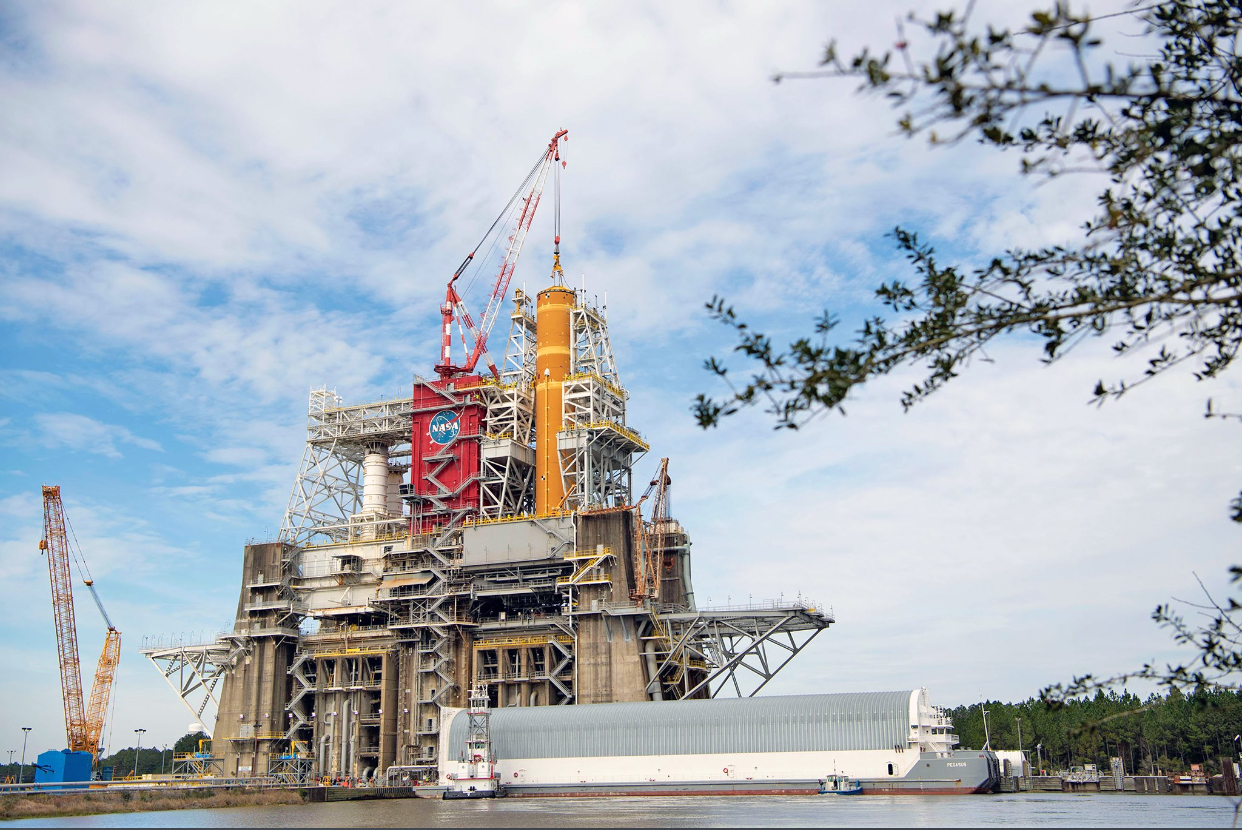
NASA: Stennis Space Center

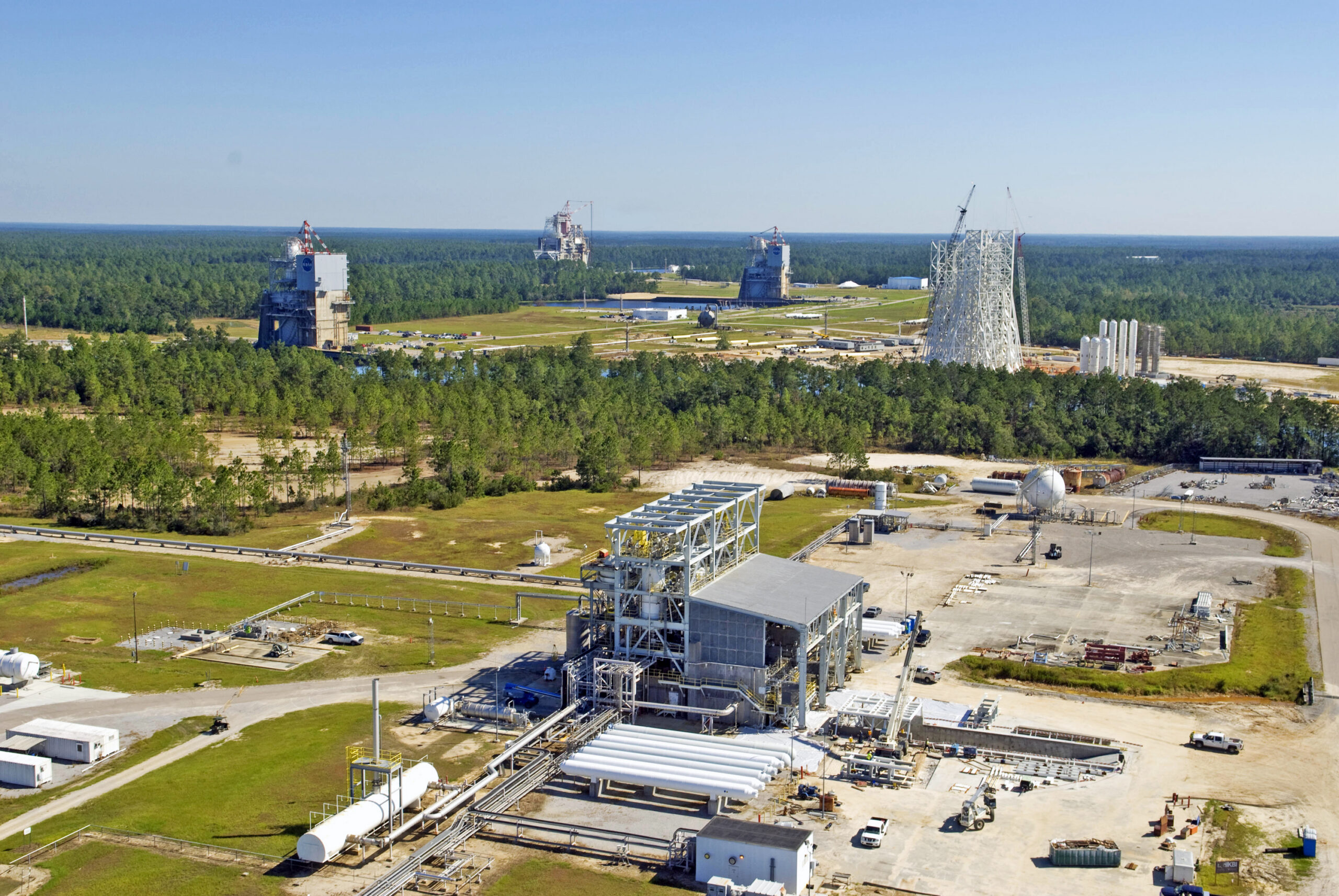
GSE performed inspections for the A1 Test Stand Level 4 & 5 Rolling Platforms. These platforms are used to gain access to the engines during testing and maintenance by rolling on large roller bearings. Loud popping and gridding noises could be heard from the platforms and bearings while in operation, causing concern for the client. GSE performed on-site inspections of the platform’s critical structural components and mechanical systems. GSE provided a report consisting of recommended repairs and cost estimates and GSE’s survey crew performed scans of the area and delivered a 3D model of the platforms for further analysis.

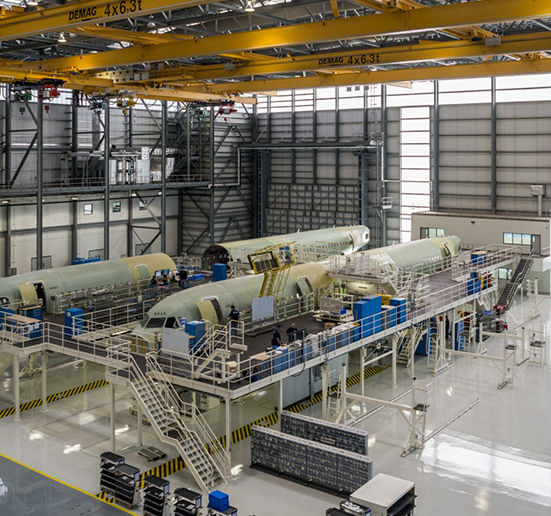
Airbus Final Assembly Line

GSE partnered with The Austin Company for the main design package awarded for Airbus’ first assembly line in the Western Hemisphere. The design package included the Final Assembly Line building (FAL), the Service Building and the Logistics Center. The FAL comprises 209,000 square feet of manufacturing and 27,000 square feet of office space. The Service Building is a multi-story 125,000-square-foot office building, while the Logistics Center is a 59,000-square-foot warehouse and office building. GSE’s scope included all foundations, industrial systems, medium voltage distribution and fire protection system design.

NASA

GSE inspected NASA’s A1 and B2 Test Stand Levels and the 4 and 5 Rolling Platforms. Using conventional survey methods and a Leica 3D scan station, an existing conditions survey was performed on the A1 and B2 test stands. A FARO Laser Tracker was then used to determine the specific size and location of the bolts. After this was complete, GSE conducted an as-built survey to ensure accuracy and create record drawings for the test stand. The 4 and 5 Rolling Platforms allow engine access during testing and maintenance by rolling on large roller bearings. The findings of the inspection included recommended repairs and cost estimates.

NASA Area 47/48

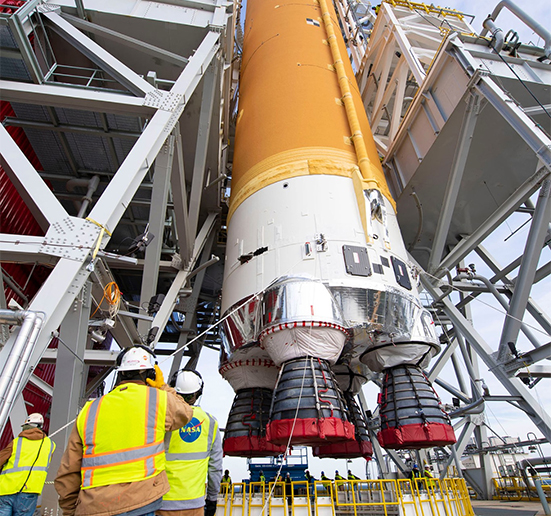
GSE designed modifications to Building 103, a 45,000-square-foot facility in Area 47/48, to allow the transition from External Tank manufacturing to Space Launch Systems (SLS) manufacturing. Area 47/48 will be used to integrate SLS core stage sub-assemblies, including liquid hydrogen tanks, engine sections, intertanks, liquid oxygen tanks, and forward skirts. In addition to the final integration of the above-listed sub-assemblies, Building 103 will also house the installation of engines, feedline and press lines, systems tunnels with applicable wiring, and final testing and systems checkout. GSE provided structural, mechanical, electrical and fire protection design services for the renovated facility.

Eglin Air Force Base

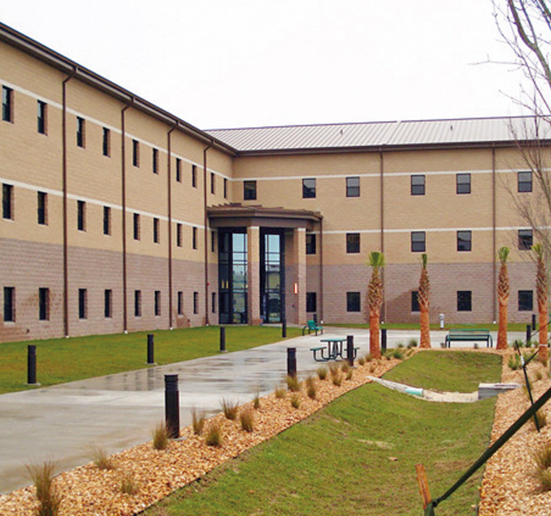
EOP Processing and Storage facility consolidates operations, support, wing plans, emergency operations and command post facilities to direct functions associated with the Combat Search and Rescue Mission on Moody AFB and geographically separated units. The EOD Barracks building is a three-story structure totaling 174,000 square feet and constructed as a design-build project. GSE’s design included the building’s fire alarm and mass notification systems. The design included a fully sprinkled building with a brick masonry exterior. Other features included DoD Antiterrorism Standards, comprehensive interior design, landscaping, commissioning, and LEED Gold Certification.

BAE Systems

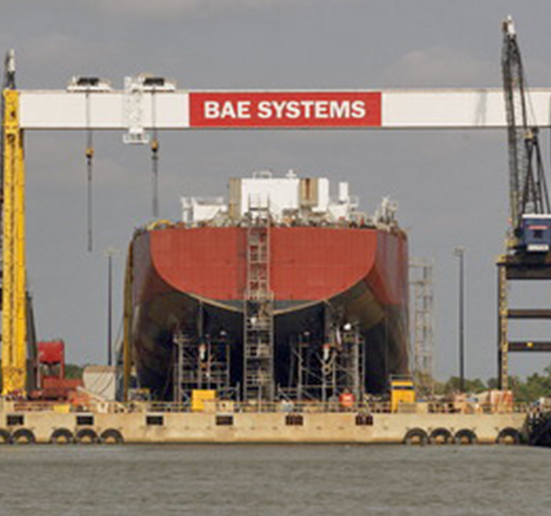
GSE provided a fire code compliance evaluation of all structures on this site. After completing the preliminary assessment, the project scope included updating all non-compliant fire protection and life safety measures. Updates to fire suppression and water supply corrections, new code applications, wet and dry sprinklers, fire main and hydrant layout, fire alarm systems and egress corrections were all deemed necessary updates to the facility in order for the system to be code compliant.

Airbus Military

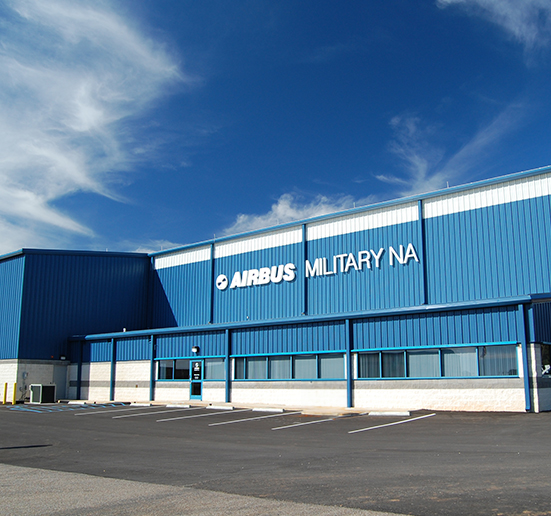
Airbus Military NA (previously CASA NA) needed a maintenance repair and overhaul facility in North America to service its customers in the Western Hemisphere. The project included a 29,500-square-foot hangar and office building. The work was completed as a design/build project with Dunn Building Company. This award-winning structure came in on time and under budget. GSE provided all design services for the project, including civil, structural, mechanical, electrical, life safety and fire protection.